What Is Mysore-Style Ashtanga? A Simple Guide for Beginners
Mysore style sounds advanced, but it's one of the most personal and beginner-friendly ways to learn Ashtanga yoga. Here's how it works, and why so many people stay with it.
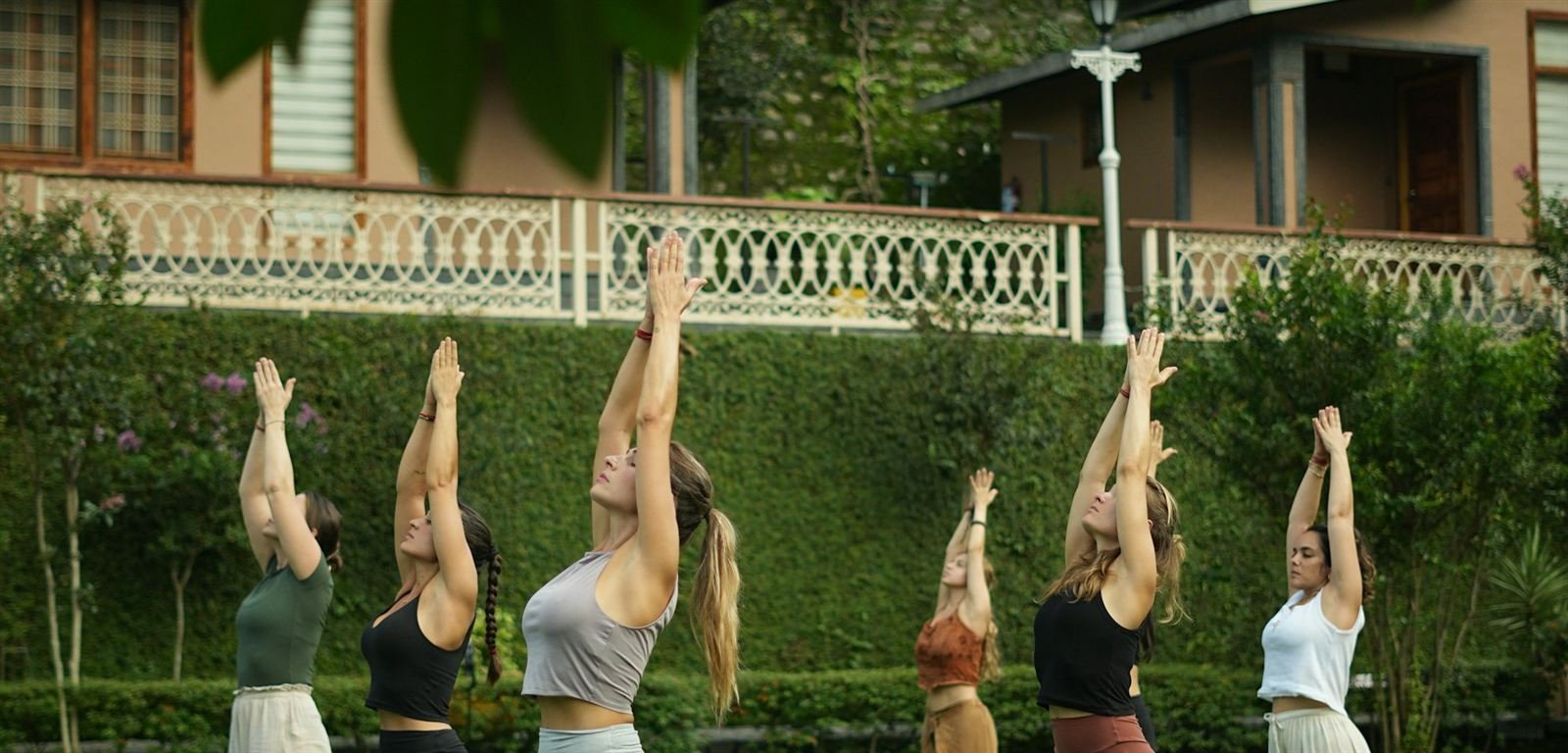
If you've seen "Mysore" on a class list and quietly decided it wasn't for you, you're not alone. The name sounds serious. In practice, it's one of the gentlest ways to start Ashtanga, because the class moves at your pace, not the room's.
Where the name comes from
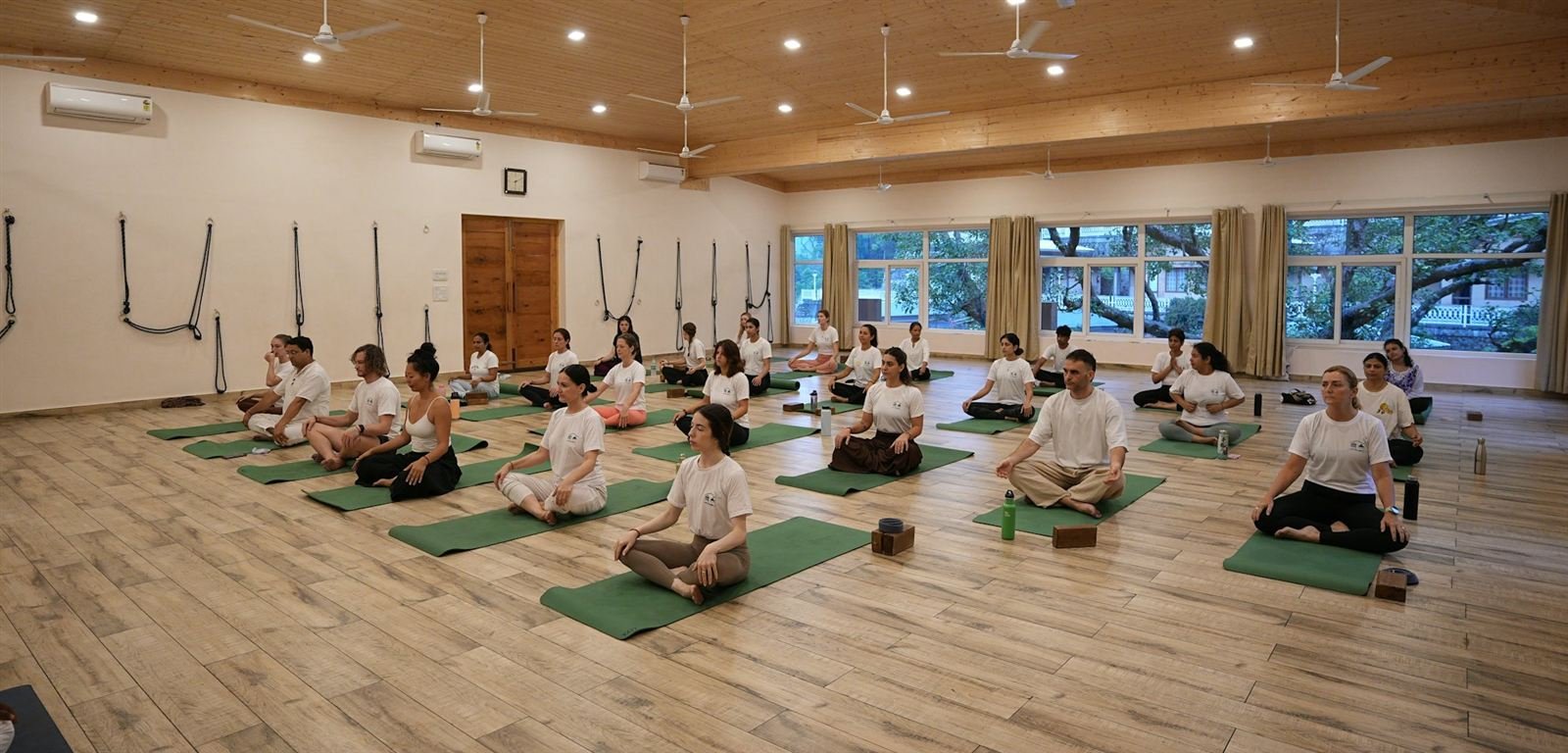
Ashtanga yoga, as it's practised today, was taught for decades by Sri K. Pattabhi Jois in Mysore, a city in southern India. Students there learned in a self-paced way: everyone in the same room, each person working through their own practice, with the teacher guiding them one by one. That way of learning became known around the world as Mysore style.
How a Mysore-style class works
- Everyone practises at their own pace. Nobody calls out the poses for the whole room. You move with your own breath.
- The teacher comes to you. Instead of teaching from the front, the teacher walks the room and gives each student one-to-one guidance, alignment cues and support.
- You learn step by step. Beginners learn a short sequence first. New postures are added when you're ready, so the practice grows with you.
- The sequence stays the same. Because the order of postures is set, you memorise it over time, and your progress becomes easy to notice.
Why it suits beginners
In a led class, it's easy to feel rushed or lost. In a Mysore-style room, nobody is waiting for you and nobody is ahead of you. You get personal attention from the first day, and you only learn what you're ready for. Many people find it far less intimidating than a busy group class.
Practise at your own pace, with a teacher who knows your practice.
Four ideas you'll hear about
- Ujjayi breath: a slow, steady breath through the nose with a soft sound at the back of the throat. It sets the rhythm of the practice.
- Vinyasa: linking each movement to an inhale or an exhale.
- Drishti: a gentle gaze point for each posture that helps the mind settle.
- Bandha: a light engagement of the core and pelvic floor that supports the body as you move.
Don't worry about mastering these on day one. Your teacher will introduce them gradually.
What your first session might look like
You'll usually start with Sun Salutations A and B and a few standing postures, then finish with a short rest. A first session can be fairly short, and that's normal. The aim is to learn the beginning of the sequence well, not to do everything at once.
Mysore-style Ashtanga at Sukahati
At our garden studio in Sentul, Mysore-style Ashtanga is led by Sahra Kamali, an E-RYT 500 teacher who completed her 500-hour teacher training in Mysore, India. Classes are beginner-friendly, and new students save 15% on their first class.
See all our class styles, or message us on WhatsApp and we'll help you find the right session.